Seamless Gray Concrete Textures in 4K
Concrete is more than just a building material—it's a design element that exudes strength, simplicity, and urban elegance. Whether you're an architect, graphic designer, or hobbyist, the right textures can transform your digital projects into visually compelling pieces. That’s where Seamless Gray Concrete Textures, 4K come in. This collection offers high-quality, versatile textures ideal for both large-scale applications and subtle design touches.
What Are Seamless Gray Concrete Textures?
Seamless gray concrete textures are digital images of real concrete surfaces that have been carefully edited to eliminate visible seams. These textures allow you to repeat them across a canvas without interruption, making them perfect for backgrounds, architectural models, and print projects. The term "4K" refers to the ultra-high resolution—typically 3840 x 2160 pixels or higher—which ensures crisp detail even when scaled up.
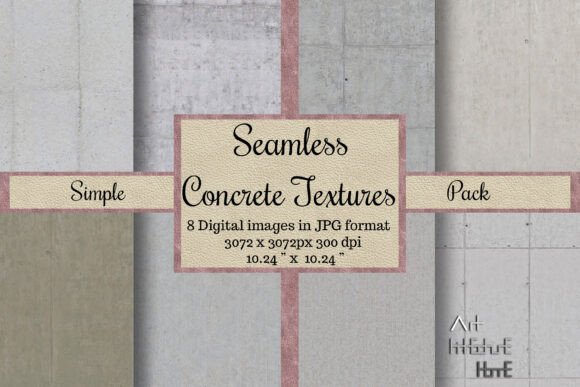
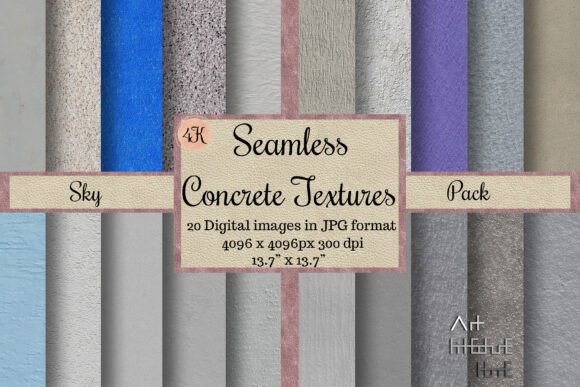
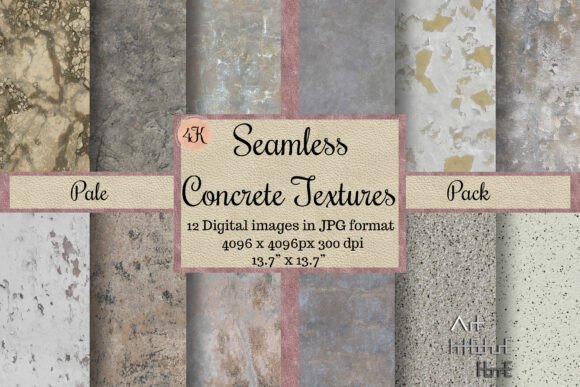
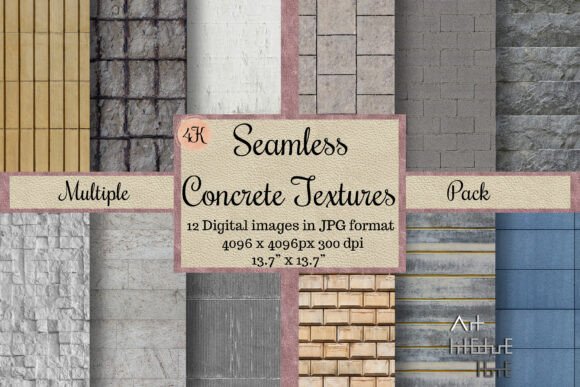
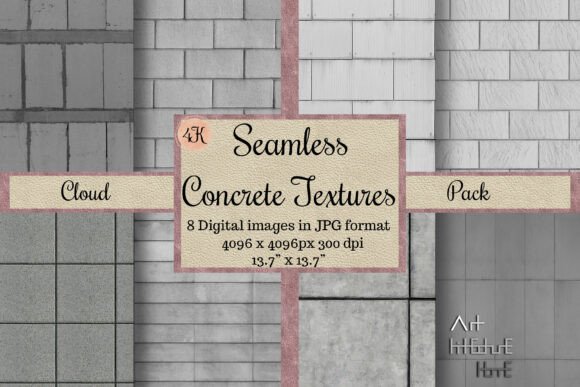
The Seamless Gray Concrete Textures, 4K package includes eight distinct textures, each capturing the unique character of different concrete finishes. From rough industrial surfaces to smooth, polished variants, these files provide a realistic look while maintaining their usability in seamless formats.
Why Choose 4K Seamless Concrete Textures?
High-resolution textures like those in this pack offer unmatched clarity and realism. When working on digital art, web designs, or print media, using 4K textures ensures that every crack, grain, and variation appears lifelike. Here’s why they stand out:
- Realism: Each texture mimics authentic concrete with fine details that reflect light and shadow naturally.
- Seamlessness: No distracting edges or tiling artifacts, allowing for endless repetition in any project.
- Resolution: At 300 dpi and 4096 x 4096 pixels, these files are suitable for professional printing and high-definition displays.
- Versatility: With dimensions of 13.7 x 13.7 inches (35 x 35 cm), they fit well into a wide range of creative workflows.
Applications Across Creative Industries
These textures are not just for architects—they’re a valuable asset for anyone working in visual design. Below are some practical ways professionals and hobbyists can use them:
Architectural Visualization
In architectural rendering, concrete textures add depth and authenticity to building facades, floor plans, and interior spaces. Use them as base materials for walls, floors, or ceilings in software like Blender, SketchUp, or Adobe Photoshop. The subtlety of gray tones complements modern, minimalist, or brutalist styles, enhancing the overall mood of the design.
Web and UI Design
For web developers and designers, seamless concrete textures serve as excellent background elements for websites, apps, or landing pages. They provide a grounded, industrial feel that pairs well with clean typography and bold layouts. You can also blend them with other textures to create layered effects that add sophistication without overwhelming the user interface.
Print Projects
Whether it's posters, brochures, or product packaging, these textures bring a tactile quality to printed materials. Their high resolution makes them ideal for large-format prints where detail matters most. Marketers might use them for promotional materials in construction-related industries, while educators could incorporate them into classroom presentations on architecture or material science.
Textile and Fabric Design
Designers working in fashion or home décor can experiment by applying these textures to fabric patterns. The muted gray palette works especially well for abstract or geometric designs, offering a textured backdrop for logos, embroidery, or digital prints.
Stickers and Vinyl Decals
Hobbyists and entrepreneurs can leverage these textures for custom stickers, vinyl decals, or signage. The 300 dpi resolution guarantees sharp, clean lines, and the grayscale nature makes them easy to adapt for monochrome or metallic finishes. Try layering them with other elements for a mixed-media effect that stands out.
Craft and Scrapbooking
If you enjoy paper crafts or scrapbooking, consider using these textures as printable designs. Print them onto cardstock or vellum and apply them with decoupage techniques. Their subtle variations can mimic aged or weathered concrete, adding a touch of urban charm to handmade cards or invitations.
3D Modeling and Miniature Scenes
3D artists and model makers will appreciate how these textures enhance miniature environments. Apply them to walls, floors, or structural elements in digital models or physical miniatures. The 4K detail allows for accurate scaling, so your virtual cityscapes or tabletop dioramas feel true to life.
How Different Users Can Adapt the Textures
While the textures are already optimized for multiple uses, adapting them creatively depends on your goals and tools. Here’s how various users might approach them:
Graphic Designers
Use the textures as overlays in photo editing to give images a raw, industrial edge. For example, place a concrete wall texture behind a product shot to suggest a modern, no-nonsense setting. Or combine them with grunge or metallic textures to simulate weathered surfaces.
Entrepreneurs and Small Business Owners
Imagine creating a line of wedding props with a modern twist—concrete textures on acrylic signs or wooden frames. These textures help you craft products that resonate with clients seeking a rustic or contemporary aesthetic. Even if you don’t specialize in design, the ready-to-use format means minimal learning curve.
Bloggers and Content Creators
Enhance your blog headers, YouTube thumbnails, or Instagram posts with subtle concrete textures. A grayscale background can make colorful content pop, while the texture adds interest without being too busy. It's a great way to maintain a cohesive brand style across platforms.
Educators and Students
Teach students about material properties and digital design by incorporating these textures into class projects. Use them to demonstrate how to manipulate layers in Photoshop or to explore themes like sustainability and urban development in design thinking exercises.
Practical Tips for Using These Textures
To get the best results from your Seamless Gray Concrete Textures, 4K, follow these tips:
- Layer Blending: Experiment with blending modes such as Multiply or Overlay to integrate the textures seamlessly with other design elements.
- Scale Appropriately: Ensure the texture scale matches the scene or object size. In 3D modeling, for instance, incorrect scaling can break immersion.
- Contrast Control: Adjust brightness and contrast to match your project's color scheme. Subtle changes can make the texture feel more integrated or dramatic depending on need.
- Combine with Other Elements: Don’t hesitate to pair the textures with graffiti, paint splatters, or lighting effects for added dimension and storytelling potential.
- Test Prints: Before committing to a large print run, do a small test to ensure the texture looks as expected in the final output.
Project Ideas to Spark Creativity
Here are a few project concepts to help you start using these textures:
- Create a series of urban-themed wallpapers for interior design inspiration.
- Design a set of business cards with a concrete overlay for a sleek, modern look.
- Use one texture as a base for a vintage-style poster, then add typographic elements for contrast.
- Apply the textures to 3D-printed objects to simulate concrete finishes without the cost or mess.
- Develop a website template featuring a concrete background paired with minimalist white text and icons.
- Make a set of DIY wedding props like signage or table runners with a rustic concrete finish.
- Try using the textures in a mobile app mockup to evoke a sense of durability or industrial chic.
- Design a clothing pattern using the textures as a foundation for abstract prints.
Maintaining Consistency and Clarity
When working with textures, consistency is key. If you're using multiple textures in a single project, ensure they complement each other in tone and scale. Avoid overloading a design with too many textures at once, which can confuse the viewer. Instead, let one dominant texture guide the visual theme and use others sparingly for accents.
Also, keep your file organization in check. Label each texture clearly and store them in folders categorized by type, use case, or resolution. This helps streamline your workflow, especially when revisiting projects later or collaborating with others.
Final Thoughts on Seamless Gray Concrete Textures, 4K
The beauty of Seamless Gray Concrete Textures, 4K lies in their balance between realism and usability. Whether you're designing for a client or experimenting on your own, these textures open up new possibilities for expressing ideas through materiality. Their high resolution and seamless nature mean you can focus on creativity rather than technical limitations.
From architectural renderings to social media graphics, the versatility of these textures makes them a valuable addition to any creative toolkit. So next time you're looking for a grounded yet dynamic design element, remember: the world of concrete isn't just solid—it's full of potential.